
GLP-3RT research focuses on receptor interaction dynamics, peptide engineering principles, intracellular signaling pathways, and structural stability under laboratory-controlled conditions. This research hub organizes all GLP-3RT scientific resources into one centralized reference point.
Researchers evaluating GLP-3RT research peptide often examine GPCR activation mechanisms, cAMP signaling modulation, peptide degradation patterns, and analytical verification standards. The pages below provide structured, laboratory-focused insights across these core areas of investigation.
This hub ensures internal connectivity between all GLP-3RT resources while supporting a unified topical framework for peptide research.

GLP-3RT Research Series
1. GLP-3RT Research Peptide Overview
Comprehensive introduction to GLP-3RT research peptide including receptor classification, molecular characteristics, and laboratory evaluation frameworks.
👉 Read the GLP-3RT Research Peptide Overview
2. GLP-3RT Molecular Structure & Peptide Engineering
Detailed examination of amino acid composition, structural motifs, conformational behavior, and analytical validation methods including HPLC and mass spectrometry verification.
👉 Explore Molecular Structure & Engineering
3. GLP-3RT Receptor Signaling & GPCR Activation
In-depth analysis of GLP receptor engagement, G protein-coupled receptor activation, cAMP pathway modulation, beta-arrestin recruitment, and intracellular signaling cascades.
👉Study GLP-3RT Receptor Signaling
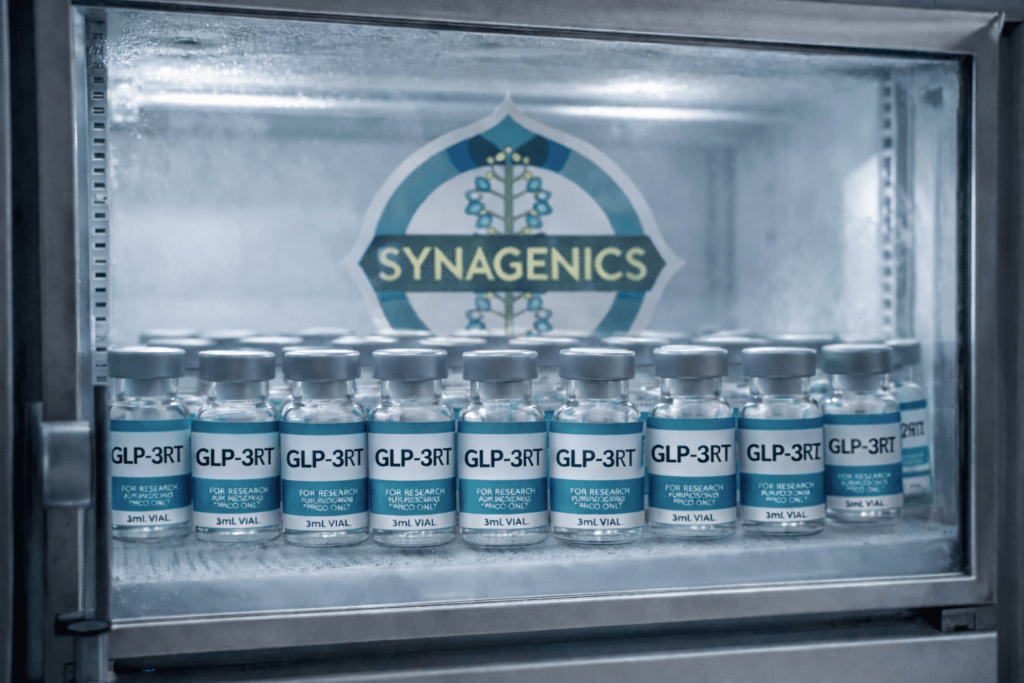
4. GLP-3RT Stability, Lyophilization & Laboratory Storage
Scientific overview of peptide stability considerations including moisture exposure, thermal sensitivity, degradation mechanisms, and laboratory handling principles.
👉Review Stability & Storage Principles
GLP-3RT Research Applications
GLP-3RT research is commonly structured around controlled in vitro models designed to evaluate receptor activation patterns, structural stability under variable environmental conditions, and intracellular signaling modulation.
Laboratory investigations may include:
- Receptor binding assays
- cAMP quantification models
- Beta-arrestin recruitment analysis
- MAPK pathway observation
- Structural degradation profiling
- Comparative peptide modeling
All evaluations remain focused strictly within laboratory research environments.
Analytical Characterization Standards
Reliable GLP-3RT research requires validated analytical confirmation before and after experimental use.
Common characterization approaches include:
- High-Performance Liquid Chromatography (HPLC)
- Mass Spectrometry (MS) molecular weight verification
- Purity percentage analysis
- Batch tracking documentation
Researchers seeking indexed literature on GLP receptor systems may consult:
PubMed:PubMed – GLP Receptor Research Database
Google Scholar: Google Scholar – GLP & GPCR Publications
These databases provide peer-reviewed literature on GPCR biology, peptide engineering, and intracellular signaling frameworks.
Laboratory Handling & Preparation Reference
High-level preparation calculations and solution concentration estimations can be supported using the Synagenics reference calculator:
👉 Synagenics Peptide Reconstitution Calculator
Proper laboratory handling principles include:
- Controlled temperature storage
- Moisture protection prior to preparation
- Avoidance of repeated freeze-thaw cycles
- Use of sterile laboratory solvents
- Documentation of preparation conditions
GLP-3RT Product Reference
For laboratory-grade GLP-3RT research peptide:
👉 GLP-3RT Research Peptide Product Page
Explore Related GLP Research
GLP-2TZ Research Series:
👉 GLP-2TZ Research Peptide Series
Full Peptide Catalog:
👉Synagenics Research Peptide Catalog
Scientific Blog & Research Insights:
👉Synagenics Scientific Blog & Research Insights
Foundational NAD+ Overview:
👉What Is NAD+? Molecular Function & Cellular Signaling Overview
Compliance Disclaimer
All information provided on this page is intended for laboratory research purposes only. Not medical advice.