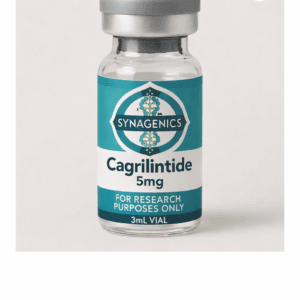

Cagrilintide | ≥99% HPLC Verified
Cagrilintide is a synthetic amylin analog studied in laboratory environments for its interaction with amylin receptor signaling and metabolic pathway regulation. Researchers examine cagrilintide in experimental models involving receptor binding dynamics, peptide stability, and coordinated metabolic signaling cascades. Published research examining modified amylin analogs demonstrates selective interaction with amylin receptor complexes and enhanced structural stability compared to native amylin peptides, including findings described in peer-reviewed research examining cagrilintide receptor selectivity and peptide stability — PubMed PMID: 33939658.
Cagrilintide Research Mechanism
Cagrilintide is investigated for its interaction with calcitonin receptor and receptor-activity modifying protein (RAMP) complexes that together form functional amylin receptor systems. These receptor complexes participate in signaling pathways associated with metabolic regulation, peptide signaling communication, and central receptor activity. Experimental research explores how modified amylin analogs such as cagrilintide demonstrate increased structural stability and receptor interaction characteristics compared with endogenous peptide structures.
Researchers examining broader metabolic peptide literature may review Google Scholar literature examining cagrilintide and amylin receptor signaling for studies analyzing receptor binding, peptide stability characteristics, and experimental characterization of modified amylin analogs.
Research Applications
Cagrilintide is commonly examined in laboratory research investigating amylin receptor signaling, peptide stability characteristics, and metabolic pathway communication. These studies often evaluate receptor activation profiles, peptide degradation resistance, and signaling responses across metabolic regulatory systems.
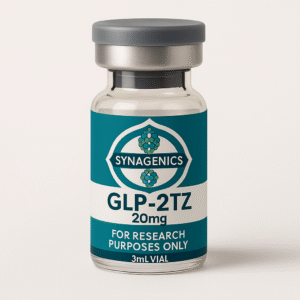
Experimental research may also evaluate cagrilintide alongside complementary metabolic research peptides such as GLP-3RT and GLP-2TZ, which are studied for their interaction with incretin receptor pathways. Multi-peptide research frameworks allow investigators to analyze receptor signaling responses across multiple metabolic regulatory pathways within controlled experimental models.
Research Parameters
Laboratory preparation protocols commonly involve reconstitution using sterile laboratory materials suitable for peptide handling. Researchers frequently reference the Synagenics peptide reconstitution calculator when estimating preparation volumes and solution concentrations during experimental planning.
Lyophilized peptides are generally maintained under refrigerated or frozen laboratory storage conditions to preserve structural stability prior to reconstitution. Following preparation, controlled temperature storage and protected laboratory handling procedures are typically used to support short-term peptide stability within research environments.
Synagenics Quality Verification
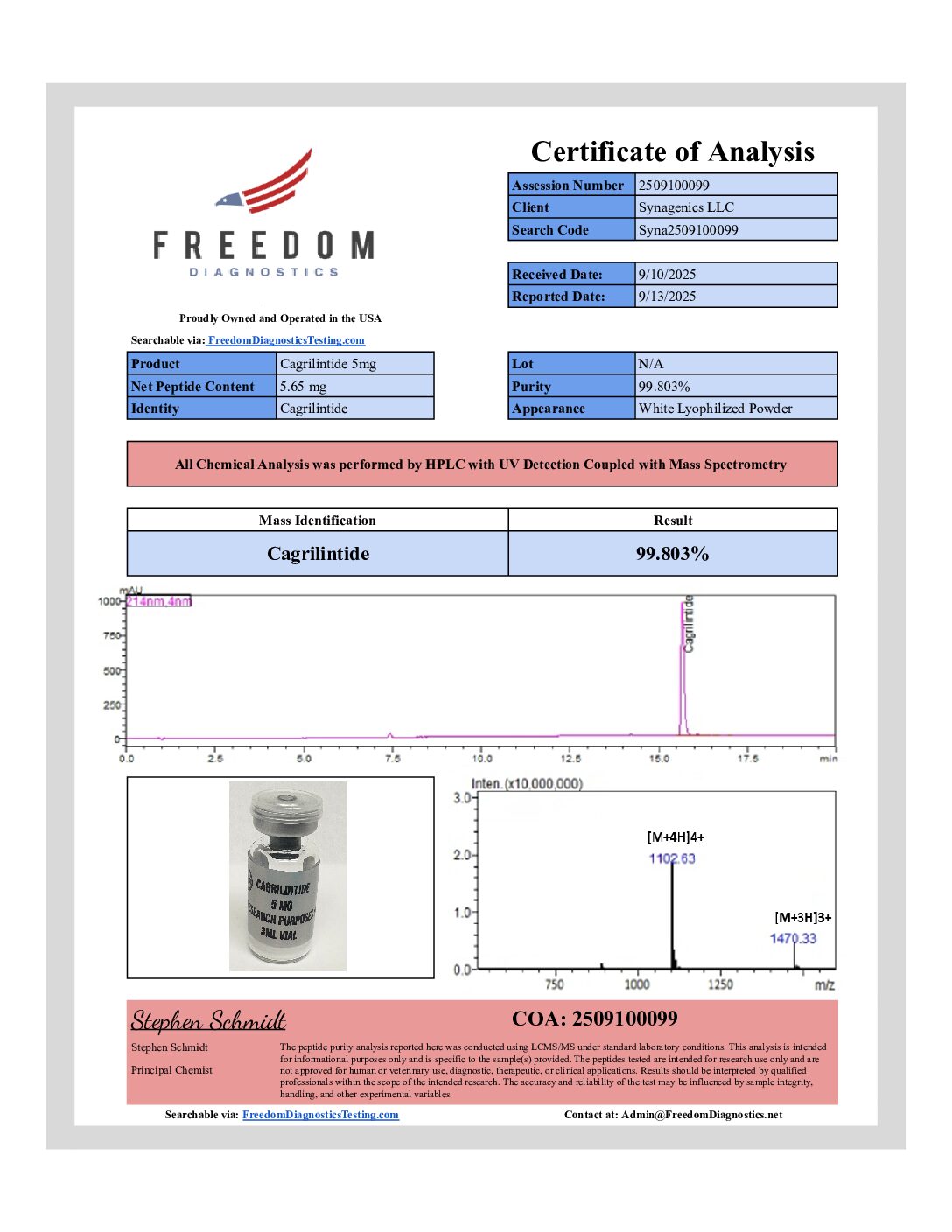
✓ Batch-Specific Certificate of Analysis — Every Order
✓ Mass Spectrometry Confirmed
✓ Independent Analytical Verification Available
Why Researchers Choose Synagenics Cagrilintide
Synagenics cagrilintide undergoes independent third-party analytical verification to confirm peptide identity and purity standards. Each batch includes a certificate of analysis supporting laboratory verification and research documentation.
Researchers frequently review additional metabolic peptide resources through the GLP-3RT Research Hub, which provides educational material discussing receptor signaling, peptide engineering, and laboratory research frameworks relevant to incretin pathway peptides.
Why Researchers Choose Synagenics:
→ Batch-specific COAs — not generic lab reports
→ Independent analytical verification
→ ≥99% HPLC purity standards
→ Fast order processing
→ Research support resources available
Frequently Asked Questions
What is cagrilintide used for in research?
Cagrilintide is studied in laboratory research involving amylin receptor signaling, peptide stability analysis, and metabolic pathway communication within controlled experimental models.
How is cagrilintide typically studied?
Cagrilintide is typically examined in experimental systems designed to evaluate receptor activation behavior, peptide stability properties, and signaling responses associated with metabolic regulatory pathways.
What makes Synagenics cagrilintide suitable for research applications?
Synagenics cagrilintide is verified through third-party HPLC analysis with mass spectrometry confirmation and batch-specific certificates of analysis to support laboratory verification and research documentation.
Where can researchers find additional Synagenics compounds and tools?
Researchers can review additional laboratory compounds through the Synagenics shop catalog for related peptide research materials.
Researchers seeking deeper technical documentation may review the
GLP-3RT research peptide overview,
molecular structure and peptide engineering,
receptor signaling and GPCR activation,
and
stability, lyophilization, and laboratory storage principles.
Research Use Only Disclaimer: For research purposes only. Not for human consumption. These statements have not been evaluated by the FDA. This product is not intended to diagnose, treat, cure, or prevent any disease.