

GHK-CU
$35.00 – $45.00Price range: $35.00 through $45.00
GHK-Cu Peptide (Copper Peptide) – 50mg & 100mg
Research-grade GHK-Cu, the classic blue copper peptide (Gly-His-Lys + copper). Third-party tested, lot-tracked and shipped same day from Florida.
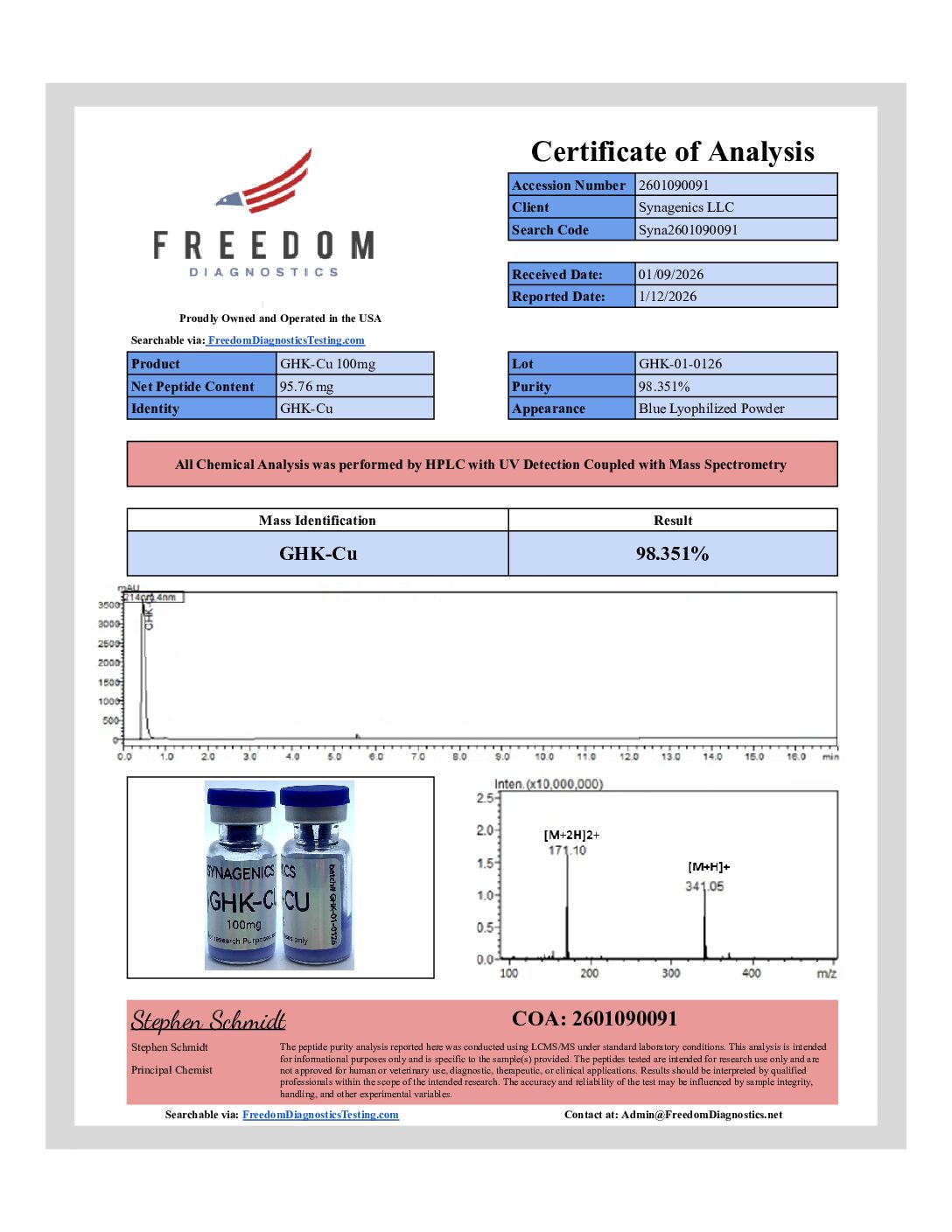
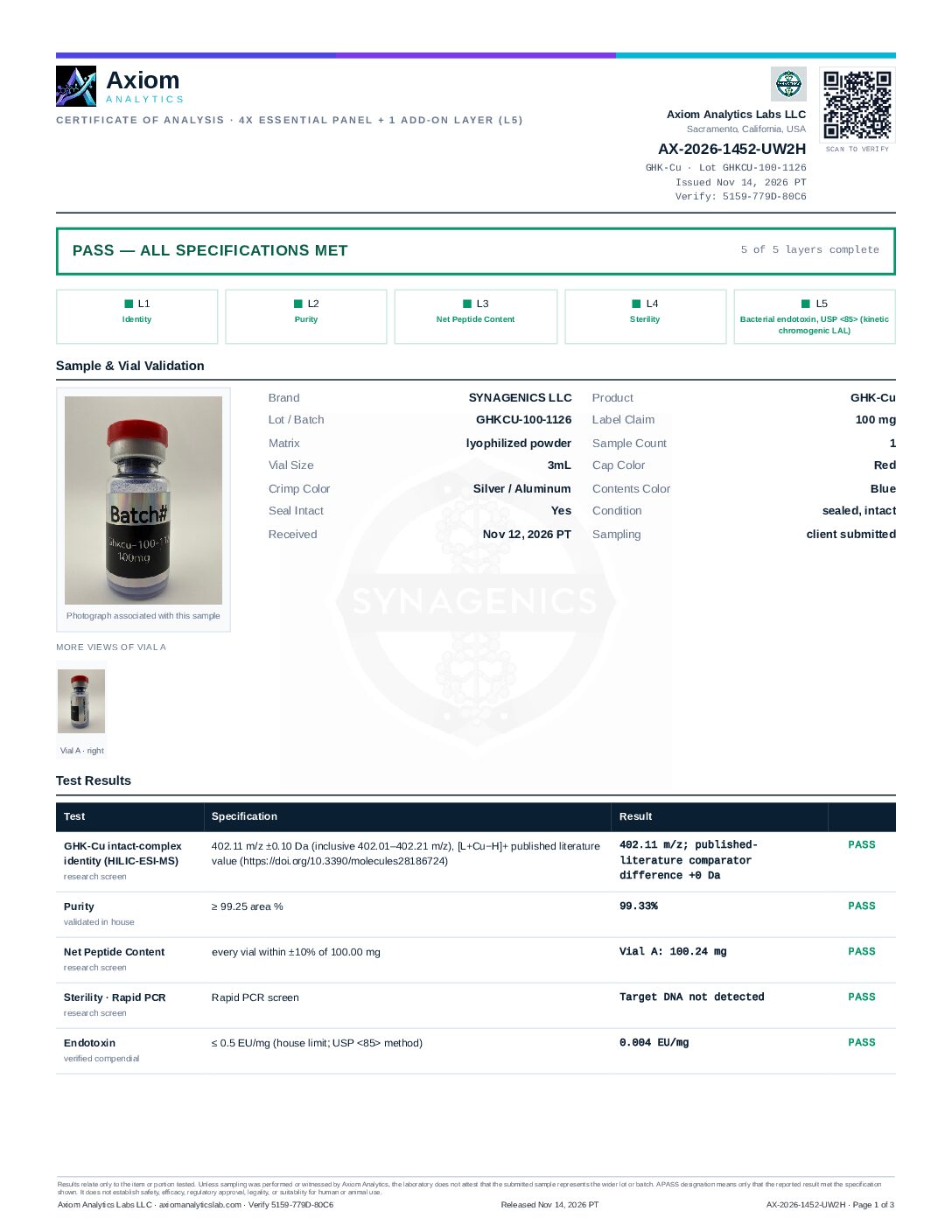
- ✅ Over 99% HPLC purity, identity confirmed by mass spec
- ✅ COA for every lot, searchable in our COA library
- ✅ Ships same day from Port St. Lucie, FL
- ✅ Free shipping on orders over $250
- ✅ Real US support: support@synagenics.com
| Sizes | 50 mg, 100 mg vials |
| Purity | Over 99% (HPLC) |
| Form | Lyophilized powder (blue to blue-violet) |
| CAS | 89030-95-5 |
| Lot number | On every vial |
Pairs well with: GLOW 70mg · KLOW · KPV · BPC-157 / TB-500
Full GHK-Cu specifications
| Compound | GHK-Cu, copper(II) glycyl-L-histidyl-L-lysine |
| Also known as | Copper peptide, copper tripeptide-1, GHK copper complex |
| Sequence | Gly-His-Lys, complexed with Cu(II) |
| CAS number | 89030-95-5 (also listed as 49557-75-7) |
| Molecular formula | C14H24N6O4Cu |
| Molecular weight | 403.92 g/mol (copper complex) |
| Amino acids | 3 |
| Purity | Over 99% by HPLC; identity by mass spectrometry |
| Form | Lyophilized powder, typically blue to blue-violet |
| Storage | Cool, dry, away from light; -20°C for long-term storage |
| Grade | Research use only (RUO) |
Third-party testing & COA
Every GHK-Cu lot is tested by an independent US laboratory before release: purity by HPLC and identity by mass spectrometry. Lot certificates are published in the Synagenics COA library, searchable by product name or lot number. Match the lot number on your vial to its certificate.
How to tell real GHK-Cu: the copper check
The copper is what makes GHK-Cu different from plain GHK, and it is easy to confirm:
- Color: real GHK-Cu is blue to blue-violet. A white powder means little or no copper.
- UV-visible: a weak absorption band near 600 nm, plus the peptide-bond signal near 214 nm used for HPLC.
- Mass spec: copper’s two isotopes (63Cu and 65Cu, about 69:31) give a telltale two-peak pattern.
- EPR: copper(II) is paramagnetic, so EPR reads its binding environment directly.
GHK-Cu research background
GHK was first reported in the early 1970s, when researchers isolated a small copper-binding peptide from human plasma albumin. It binds copper through its histidine, amino terminus and backbone nitrogens, forming a stable complex that is simple to synthesize and analyze. Published laboratory work covers copper coordination chemistry, extracellular matrix and collagen signaling in cultured fibroblasts, gene-expression studies in cultured cells, and redox assay systems. These are laboratory model systems only. Read more in our GHK-Cu research overview.
Lab handling notes
- Buffer: HEPES or MOPS interact only weakly with copper; Tris and phosphate can bind it.
- Chelators: EDTA, citrate and some media components can strip copper from the peptide.
- pH: color and binding shift with pH, so buffer and record it.
- Controls: run a copper-free GHK control and a free-copper control.
- Stock math: calculate concentration from net peptide content, not powder weight.
GHK-Cu FAQ
What is GHK-Cu peptide?
The copper(II) complex of the tripeptide Gly-His-Lys, supplied as a lyophilized powder for laboratory research.
GHK vs GHK-Cu: what’s the difference?
GHK is the free peptide. GHK-Cu has a copper ion bound to it, which makes it blue and gives it a distinct analytical signature.
What purity is Synagenics GHK-Cu?
Over 99% by HPLC, with identity confirmed by mass spectrometry. Lot results are in our COA library.
What sizes do you sell?
50 mg and 100 mg vials.
Why is GHK-Cu blue?
The bound copper absorbs light near 600 nm. A white powder suggests the copper is missing.
How fast does it ship?
Same day from Port St. Lucie, FL, to all 50 states. Free shipping over $250.
Is it for human or animal use?
No. Sold strictly for laboratory research. Not a drug, supplement or cosmetic.
Published literature
- Pickart L, Margolina A. Regenerative and Protective Actions of the GHK-Cu Peptide in the Light of the New Gene Data. Int J Mol Sci. 2018.
- Park JR, et al. The tri-peptide GHK-Cu complex ameliorates lipopolysaccharide-induced acute lung injury in mice. Oncotarget. 2016.
- Ning C, et al. Electrophoretic deposition of GHK-Cu loaded MSN-chitosan coatings with pH-responsive release of copper and its bioactivity. Mater Sci Eng C. 2019.
For Research Use Only. Not for human or animal consumption. Not for clinical or diagnostic use.
Additional information
| GHK-CU | 50MG, 100MG |
|---|
-
-11% OFF

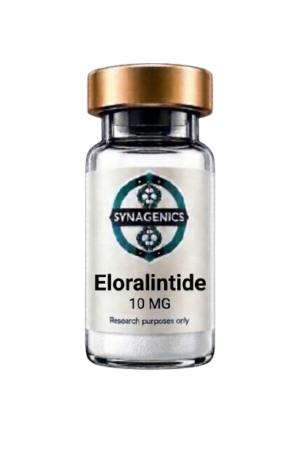
Eloralintide
$95.00Original price was: $95.00.$85.00Current price is: $85.00. Purchase & earn 85 points!Add to cart -
-27% OFF
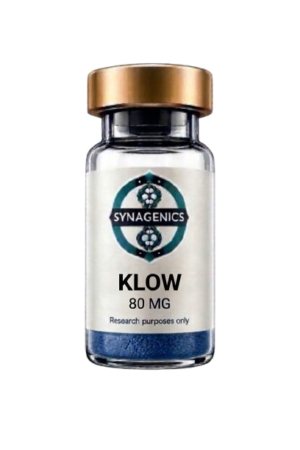
KLOW
$95.00Original price was: $95.00.$69.00Current price is: $69.00. Purchase & earn 69 points!Add to cart -
UP TO -33% OFF
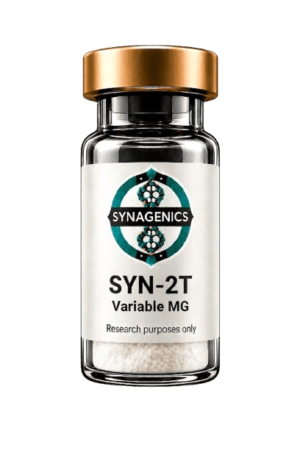
SYN-2T
From $59.00 Earn up to 385 points.Select options This product has multiple variants. The options may be chosen on the product page -
UP TO -26% OFF
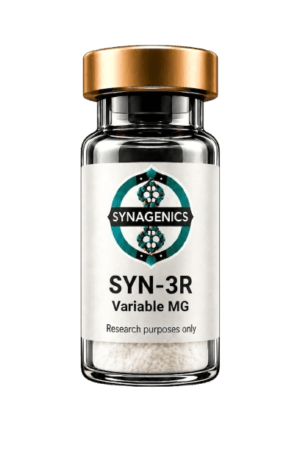
SYN-3R
From $45.00 Earn up to 625 points.Select options This product has multiple variants. The options may be chosen on the product page