Introduction
Living longer and healthier is a goal shared by many of us. In recent years, the molecule nicotinamide adenine dinucleotide, or NAD+, has become the focus of longevity conversations. From podcasts to health blogs, NAD+ is often touted as a ‘youthful energy’ supplement. But what exactly is NAD+, why is everyone talking about it, and does science back any of these claims? This article aims to provide a clear, research‑based overview of NAD+, following the structure of popular media pieces while grounding each point in peer‑reviewed literature. We’ll explore what NAD+ does in your body, how it relates to aging, the evidence behind supplementation, and ways to support your own NAD+ levels naturally.
What Is NAD+?
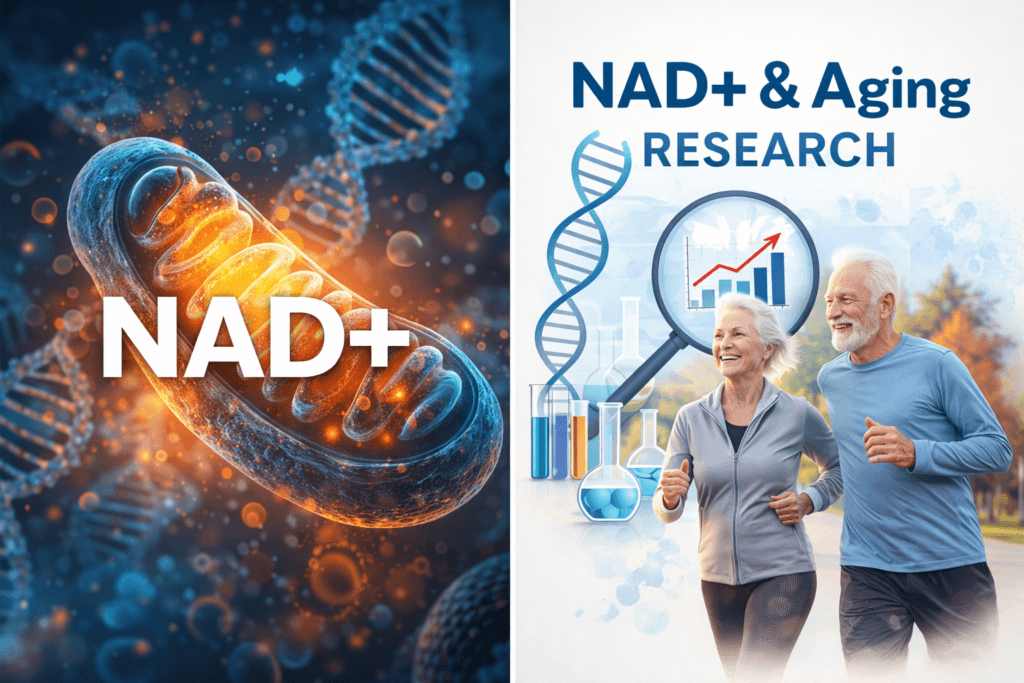
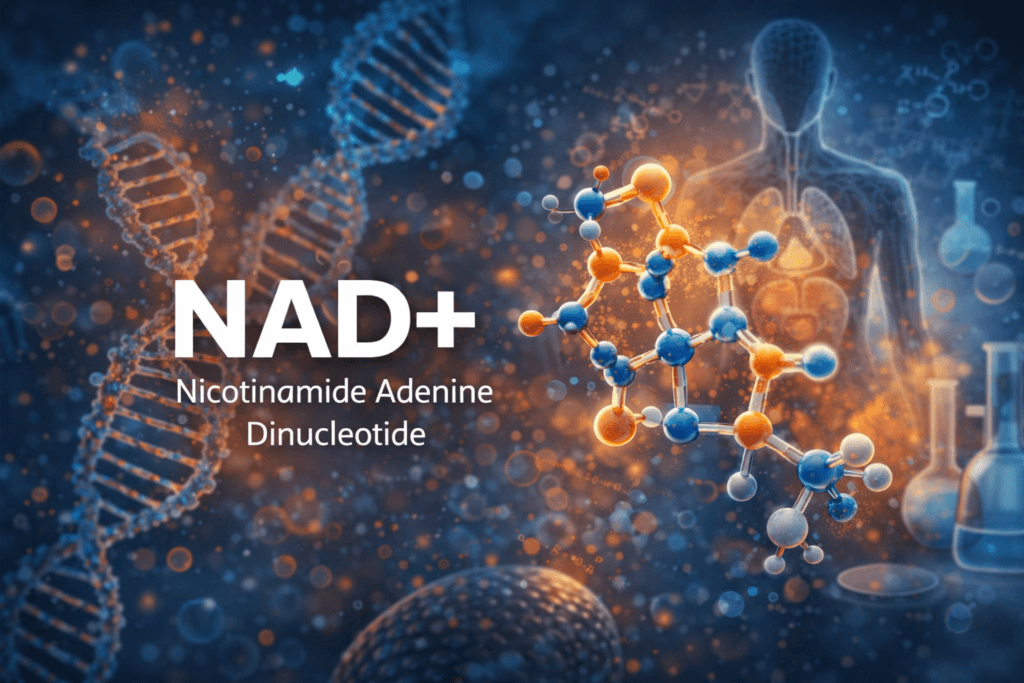
NAD+ is a coenzyme – a type of molecule that helps enzymes do their work – found in every living cell. Its job is to transfer electrons during metabolic reactions, enabling the production of adenosine triphosphate (ATP), the energy currency your cells use for everything from muscle contraction to hormone synthesis. Besides its role in energy production, NAD+ is essential for DNA repair and helps activate enzymes that maintain cellular health.
As we age, NAD+ levels decline. Factors such as chronic stress, poor sleep, lack of exercise and suboptimal nutrition can accelerate this decline. When NAD+ drops, cells struggle to repair DNA efficiently and to produce energy. Early research suggests that maintaining NAD+ levels may help preserve normal cellular function during aging.https://pmc.ncbi.nlm.nih.gov/articles/PMC9512238/
How NAD+ Works in the Body
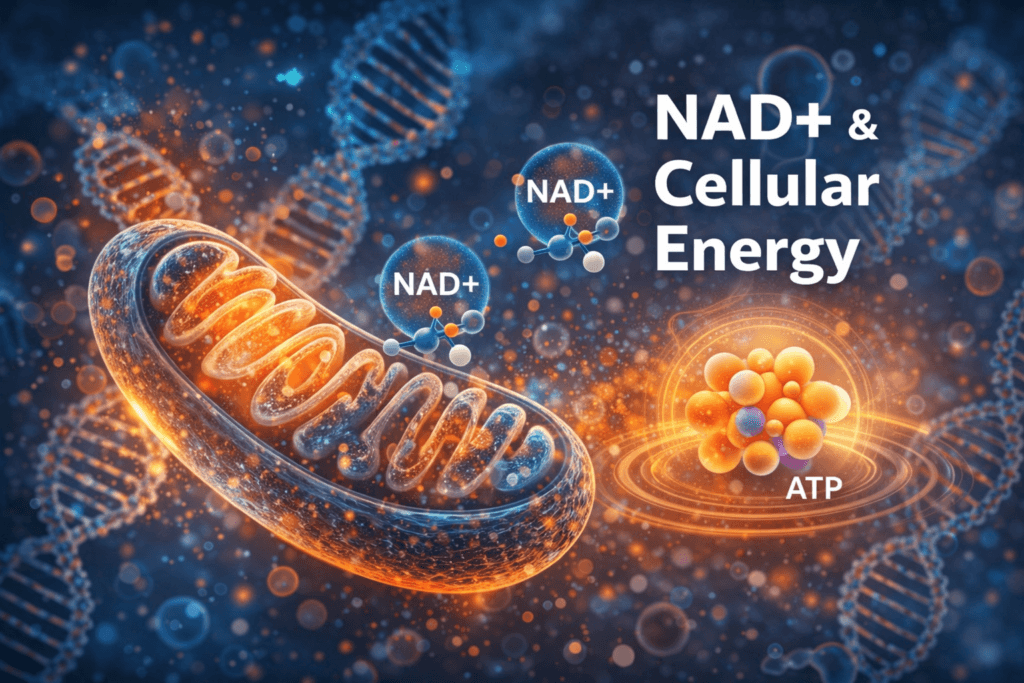
From a biochemical perspective, NAD+ serves as a central metabolic intermediate. It shuttles electrons in redox reactions to form ATP during the breakdown of carbohydrates, fats and proteins.https://pmc.ncbi.nlm.nih.gov/articles/PMC9512238/
Beyond energy production, NAD+ acts as a critical regulator of cell‑signaling enzymes. These include sirtuins (SIRTs) and poly(ADP‑ribose) polymerases (PARPs), families of proteins involved in DNA repair, stress responses and gene expression. Without sufficient NAD+, these enzymes cannot function optimally.
NAD+ also operates as a metabolic messenger. By sensing the energy status of the cell, it helps orchestrate downstream signaling pathways that tell cells when to conserve energy or ramp up repair processes. This ability to link energy availability with cellular adaptation underscores why NAD+ is considered so important for metabolic health.
As humans age, NAD+ levels fall in multiple tissues – including the liver, skin, brain, blood plasma, skeletal muscle and immune cells. Chronically low NAD+ has been observed not only in normal aging but also in accelerated aging disorders and various age‑related diseases. Because NAD+ supports sirtuins and PARPs, its decline may contribute to genomic instability, cellular senescence and other hallmarks of aging.
NAD+ and Aging
Aging is now understood as a complex interplay of cellular changes rather than a single, uniform process. One consistent feature of aging across many species is a decline in NAD+ levels. Scientists have identified nine ‘hallmarks of aging,’ such as genomic instability, telomere shortening and mitochondrial dysfunction. NAD+ interacts with many of these hallmarks; its depletion can impede DNA repair, promote cellular senescence and impair mitochondrial health.
Preclinical research in mice and other models has shown that restoring NAD+ levels can produce wide‑ranging benefits. In animals, boosting NAD+ led to cardiovascular improvements, reversal of metabolic disorders, better muscle function and endurance, enhanced mitochondrial activity and increased numbers of stem cells. NAD+ restoration improved organ protection and regeneration after injury and even rescued vision by reversing retinal degeneration. Such findings have generated excitement, but they are not direct evidence for humans.
Human clinical trials of NAD+ restoration are still in their early stages. Preliminary studies report trends toward improved cardiovascular markers, such as lower systolic blood pressure and reduced aortic stiffness, as well as reductions in inflammatory cytokines and improved mitochondrial function in specific patient populations. While these results are promising, the trials have been small and short‑term. Larger, well‑controlled studies are needed before any firm conclusions can be drawn.
Potential Benefits and Claims
As NAD+ has become more popular, a number of claims have arisen about what NAD+ supplementation can do. It is important to separate speculative marketing from evidence‑based science.
Improved energy and sleep
Some small human studies suggest that supplementing with precursors such as nicotinamide mononucleotide (NMN) may enhance energy and sleep quality in older adults. In one 12‑week randomized trial, participants taking 250 milligrams of NMN reported better sleep quality and improved alertness the next day compared with a placebo. These results are interesting but need replication in larger studies.
Enhanced physical endurance and mobility
Another small clinical trial investigated NMN doses ranging from 300 to 900 milligrams in middle‑aged adults. After 60 days, participants receiving 600 or 900 milligrams showed improved endurance on a six‑minute walking test and modest reductions in biological age markers. Again, while encouraging, the study was small and not designed to assess long‑term outcomes.
Metabolic and cardiovascular effects
Preclinical research indicates that increasing NAD+ can improve metabolic health by enhancing mitochondrial function, boosting ATP production and improving insulin sensitivity. Clinical studies have noted reductions in inflammatory cytokines and improved cardiovascular markers, but these findings come from small, early trials. At present there is no robust clinical evidence that NAD+ supplementation slows aging, extends lifespan or dramatically improves cognitive function.
In short, current data hint at potential benefits for energy, endurance and metabolic health, yet the evidence remains preliminary. Consumers should approach product claims with caution and look for transparent, third‑party testing.
Safety and Side Effects
In the United States, NAD+ products are marketed as dietary supplements. This means they do not undergo the rigorous premarket approval required for pharmaceuticals; manufacturers themselves are responsible for ensuring product safety and accurate labeling. Health experts advise choosing supplements with independent quality certifications and transparent ingredient sourcing.
When used at recommended doses (up to 1,000 milligrams of nicotinamide riboside twice daily or up to 900 milligrams of NMN per day), NAD+ supplements appear generally safe for healthy adults. Common side effects are mild and temporary and may include digestive discomfort, headaches, fatigue, flushing or slight insomnia. Rarely, people experience dizziness, palpitations, itching or muscle soreness; these symptoms typically resolve without stopping supplementation.
One concern raised by researchers is that NAD+ is used as an energy source in all cells, including cancer cells. At present there is insufficient evidence to determine whether NAD+ supplementation could influence cancer risk. Individuals with a personal or family history of cancer should discuss the potential risks with a medical professional. As with any supplement, pregnant or breastfeeding women and those taking medications should consult their healthcare provider first.
Supporting NAD+ Levels Naturally
While you can’t increase NAD+ directly by eating foods, your body can synthesize NAD+ from precursors found in certain nutrients. Niacin (vitamin B3) and tryptophan are converted into nicotinamide mononucleotide (NMN) and nicotinamide riboside (NR), which then form NAD+. Foods rich in niacin or tryptophan – such as poultry, beef, fish, dairy products, legumes, whole grains, nuts and seeds – can therefore support natural NAD+ production. A balanced diet that includes these foods may help maintain steady NAD+ levels.
Lifestyle factors also influence NAD+. Quality sleep, regular aerobic exercise, resistance training and effective stress management all support healthy cellular metabolism. Since chronic stress and poor sleep accelerate NAD+ depletion, prioritizing rest and stress reduction can indirectly preserve NAD+. Combining these healthy habits with moderate caloric intake (without prolonged fasting or extreme diets) may optimize your body’s own NAD+ production pathways.
Considerations for NAD+ Supplementation
If you’re considering NAD+ supplements, keep your expectations realistic. Current evidence does not support claims that NAD+ products reverse aging or dramatically extend lifespan. Benefits reported in small trials involve improved sleep, energy and endurance, but these findings need validation. To make an informed choice:
- Consult your doctor before starting any supplement, especially if you have underlying health conditions, take medications or have a family history of cancer.
- Choose high‑quality brands with independent third‑party testing and transparent labeling. Look for certificates of analysis (CoA) and avoid unverified marketing claims.
- Use recommended doses. Avoid megadoses since safety studies have focused on moderate amounts.
- Don’t rely solely on supplements. NAD+ precursors are most effective when combined with a healthy lifestyle – balanced diet, sleep, exercise and stress management.
For those who choose to explore supplementation, Synagenics offers a high‑quality NAD+ precursor product. You can learn more on our NAD500 product page. For broader education on peptides, cellular health and related topics, visit our Synagenics blog. Including these trusted resources in your wellness journey can complement other healthy habits.
While research on NAD+ is advancing quickly, the current understanding should be viewed as a foundation rather than a finished story. No supplement replaces healthy habits, and no molecule works in isolation. By learning about NAD+ and its roles in metabolism, energy production and cellular resilience, you can make informed decisions about your wellness journey. Balanced nutrition, regular physical activity, restorative sleep and mindful stress management remain the pillars of long‑term health.
Frequently Asked Questions (FAQs)
Q: What is NAD+ and why is it important?
NAD+ (nicotinamide adenine dinucleotide) is a coenzyme found in all your cells. It helps enzymes convert food into ATP, the molecule your cells use for energy. It also supports DNA repair and activates proteins that help maintain cellular health. Without adequate NAD+, cells struggle to produce energy and repair themselves.
Q: Can NAD+ supplements reverse aging?
There is no credible evidence that NAD+ supplements reverse aging. Early human trials show potential benefits for energy, endurance and certain metabolic markers, but they are small and preliminary. Maintaining NAD+ levels may support healthy aging, but it is not a cure for aging or age‑related diseases.
Q: What are the potential benefits of NAD+ supplements?
Small studies report that NAD+ precursors like NMN may improve sleep quality and energy, and enhance physical endurance. Preclinical research suggests broader metabolic and cardiovascular benefits, but more human research is needed to confirm these findings.
Q: Are NAD+ supplements safe, and what are the side effects?
When used at recommended doses, NAD+ supplements are generally safe for healthy adults. They may cause mild side effects like digestive discomfort, headaches or flushing. Rarely, individuals experience dizziness, palpitations or itching. Because NAD+ is used by all cells, including cancer cells, people with a history of cancer should talk to a doctor before supplementing.
Q: How can I naturally support my NAD+ levels?
You can’t increase NAD+ directly through food, but your body can make it from niacin and tryptophan. Eating foods rich in these nutrients—such as poultry, fish, dairy, legumes, whole grains, nuts and seeds—provides the building blocks for NAD+. Getting enough sleep, exercising regularly and managing stress also help preserve your NAD+ levels.
Disclaimer
This content is for educational and research purposes only. Not medical advice. Always consult a healthcare professional before making changes to your diet, supplements or lifestyle, especially if you have underlying health conditions or take medications.Visit Synagenics for additional educational resources and research compounds.https://synagenics.com/